
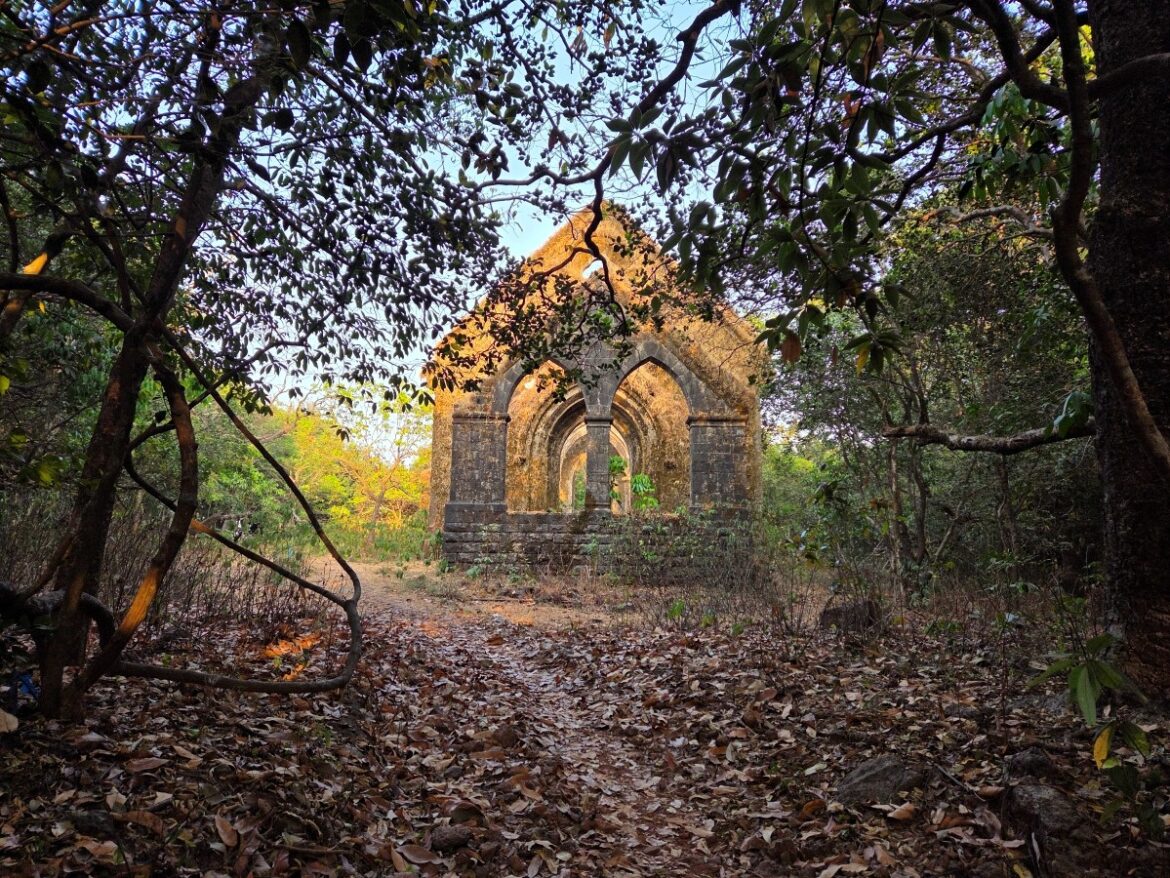
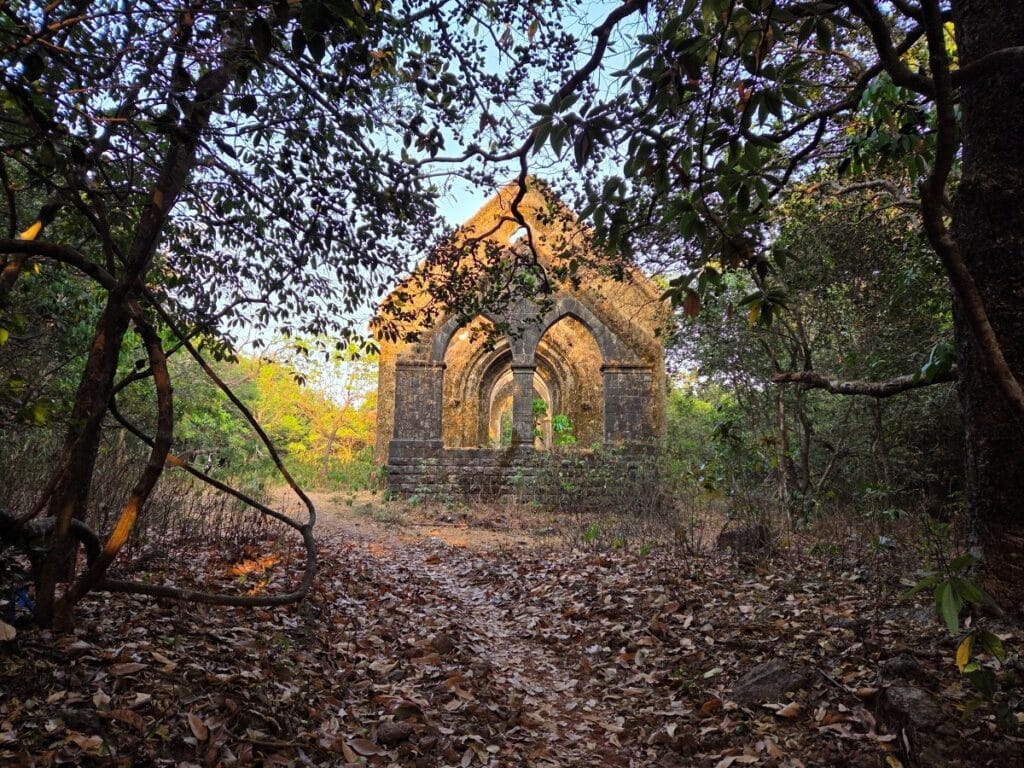
Ruins of St. Paul’s Church at Matheran, which was consecrated by Bishop Harding in 1865.
This City Has Been Keeping Secrets. I’ve Started Writing Them Down.
If you’ve followed me for a while, you know me as a real estate guy.
Data on new launches. Supply-demand mismatches in Kharadi. Why your rent is rising. I’ve been writing about Pune’s property market for nearly a decade, and I intend to keep doing that – over on LinkedIn and X, where that conversation belongs.
But this blog is going to be something different.
Maharashtra is one of the most historically extraordinary geographies. This is the soil that features in the Mahabharata. The Western Ghats sheltered civilisations for thousands of years. The Deccan was the stage for the Satavahanas, the Yadavas, the Bahmani Sultanate. Then came the Marathas, who built an empire that humbled the Mughals. And then came the British, who stayed for nearly two centuries and left behind a city we are still living inside today.
All of this happened here. On our streets. In our neighbourhoods. And most of us know almost none of it.
A few years ago, I began noticing that the most astonishing stories were hiding in the most ordinary places – the streets we shop on, the campuses we studied in, the hill stations we escape to on long weekends. I grew up in Pune Cantonment, one of the oldest parts of this city, and something about that layered landscape made me want to understand what came before.
So I started researching. I collected rare books, some over a century old. I cross-referenced old British survey maps with current satellite images. I rummaged through books at the Asiatic Library, joined the INTACH Pune Chapter, which connected me to historians doing extraordinary work in near-total obscurity. I recently took a trip to Matheran and emerged from the forest with discoveries of a lost church, cemeteries and abandoned palatial estates once owned by the Tatas, the Wadias, and the Jeejeebhoys – swallowed by jungle, unknown to almost everyone.
What I found, repeatedly, was that history hasn’t always been preserved in museums. Sometimes it’s buried right under a street you’ve walked down a hundred times.
I want to tell you about a major shopping street in Pune that sits on ground with a history most visitors would find astonishing. I want to tell you about a tomb at Pune University – belonging to a woman almost no one has heard of – that indirectly caused the Governor of Bombay to relocate his residence from Parel to Malabar Hill, reshaping Mumbai’s geography permanently. I want to tell you about forgotten Maratha-era structures quietly crumbling with barely any visitors and no signage, and colonial-era buildings whose original purposes have been erased from public memory.
These are not niche curiosities. These are the stories of the places we actually live in.
Each piece will be fully researched, which often takes months. The pace will be slow, because these stories deserve to be told properly.
The first full piece is coming soon. It begins with a lost burial ground – and ends with a city transformed.
Welcome to Heritage with Rahul Ajmera
